Our Short List of 3
All 3 Picks at a Glance
| Product | Specs | Action |
|---|---|---|
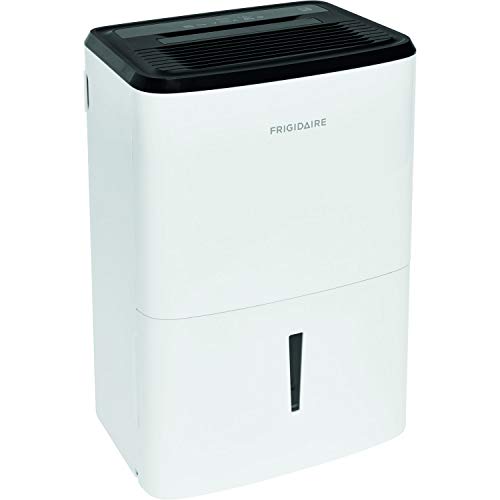 Frigidaire FFAD5033W1 50-Pint Dehumidifier | Check price on Amazon | |
 hOmeLabs HME020031N 50-Pint Dehumidifier | Check price on Amazon | |
 Midea MAD50C1ZWS 50-Pint Dehumidifier | Check price on Amazon |
Key takeaways
- Compare the best compressor dehumidifiers with continuous drains for basements and large rooms, with gravity hose and built-in pump drainage explained.
Introduction
A damp basement or a laundry room that never quite dries out points to one problem: too much moisture in the air. A compressor dehumidifier pulls that moisture out by cooling a set of coils, condensing water vapor into liquid, and collecting it in a tank or sending it down a drain. The catch with most models is the tank. Once it fills, the machine stops until someone empties it, which can mean daily trips to the basement during humid weather.
A continuous drain changes that routine. Instead of relying on the tank, the dehumidifier sends collected water through a hose to a floor drain, a utility sink, or a sump pit, so the unit keeps running without interruption.
This guide looks at four compressor dehumidifiers with continuous drains, all listed on Amazon US. Three use gravity drainage through a standard garden hose, and one adds a built-in pump that can push water upward to a drain above the unit. Details below come from each model’s Amazon listing and manufacturer specification material.
How to Choose a Compressor Dehumidifier With a Continuous Drain
Choosing well starts with the room, not the machine. A unit that is too small runs constantly without reaching the target humidity, while one far too large cycles on and off and wastes energy. Measure the space and think about where the water will go before comparing models.
Match capacity to the room
Capacity is stated in pints of moisture removed per day. The four models in this guide all remove 50 pints per day, which suits basements and large rooms up to about 4,500 square feet according to their listings. A 50-pint unit is a sensible middle ground for a full basement or a large living area. Compare the capacity figure with the size of the space, not with the size of the tank.
Gravity drain or built-in pump
Gravity drainage is simple: water flows downhill from the unit to a drain that sits lower than the dehumidifier. It works well when a floor drain, a sump pit, or a utility sink is nearby and below the level of the unit. The hose is usually a standard garden hose, not included, so plan on buying the right length.
A built-in pump pushes water through a hose to a drain that can sit above the unit, such as a laundry sink, and over a longer distance. The GE model in this guide includes a pump and a 16-foot hose, and its listing states that it can move water up to 15 feet vertically. A pump adds convenience but also a part that can wear out. If a floor drain is close and lower than the unit, gravity drainage is the simpler choice.
Hose routing and drain height
Before buying, walk the route the hose will take. A gravity hose needs a steady downhill slope with no loops or kinks that could trap water. Measure the distance from the dehumidifier to the drain and add slack for routing around obstacles. Make sure the hose end sits securely in the drain so it cannot slip out, and check that a sump pit has room for the extra water.
Humidity control and modes
A digital humidistat lets the owner set a target humidity level and have the unit hold it automatically. The models in this guide let the owner choose a humidity range, typically from about 35 to 85 percent relative humidity, and the unit cycles the compressor to maintain it. Turbo mode increases fan speed for faster drying, and a continuous mode runs the unit at full power. A 24-hour timer adds flexibility for rooms that only need drying at certain times.
Low-temperature operation
Basements and garages run cooler than living rooms, and a compressor dehumidifier can form ice on its coils when the air drops toward 40 degrees Fahrenheit. An auto-defrost feature shuts the compressor down briefly to melt ice, then resumes drying. The hOmeLabs model in this guide lists operation down to 41 degrees Fahrenheit with auto defrost, and the Frigidaire lists low-temperature operation as a feature. If the space stays cool, confirm the listing states auto defrost or low-temperature operation.
Tank size and auto shut-off
Even with a continuous drain connected, the tank matters. It is the backup when the hose is disconnected, and its size sets how long the unit can run unattended in bucket mode. The models here have tanks from about 1.56 to 2.11 gallons. Every one shuts off automatically when the tank fills, with a full-bucket indicator. A front pull-out bucket with a handle makes emptying easier when the hose is not in use.
Noise, size, and upkeep
A dehumidifier runs for hours at a time, so noise matters in living areas. Published sound levels for these models sit in the high 40s to low 50s on the decibel scale at normal fan speeds, which is comparable to a quiet conversation. These 50-pint units weigh around 40 pounds, so caster wheels and handles help when moving one between rooms. A washable filter is standard across the models here and should be rinsed regularly, since a clogged filter reduces airflow and drying power.
Top Picks
Frigidaire FFAD5033W1 50-Pint Dehumidifier
The Frigidaire FFAD5033W1 is a 50-pint compressor dehumidifier built to remove a large amount of moisture every day, hold a set humidity level, and keep running without constant attention. Its listing states a continuous drain option that works by attaching a garden hose to the unit, so water flows away on its own instead of filling the tank. Its 2.11-gallon tank, the largest here, gives the longest unattended run when the hose is not connected, and the unit shuts off automatically when the tank fills.
An electronic panel gives a digital humidity readout and a 24-hour on/off timer. Three fan speeds let the owner balance drying speed against sound, and the published sound figures run from 47 decibels on low to 51 decibels on high. A washable filter slides out for cleaning, and the front pull-out bucket has a carry handle. The listing also states auto restart after a power cut and low-temperature operation, which suits basements that stay cool. At 42.3 pounds it rolls on casters. It suits a large basement where a floor drain sits nearby.
hOmeLabs HME020031N 50-Pint Dehumidifier
The hOmeLabs HME020031N is a 50-pint dehumidifier listed for rooms up to 4,500 square feet, and its continuous draining setup is spelled out clearly in the listing. A drain hose outlet on the back connects to a standard garden hose, and the listing recommends a 5/8-inch hose with an internally threaded end, with Teflon tape for extra security. The hose itself is not included. Once connected, it can run without the tank ever filling.
The control panel provides Comfort, Turbo, and Continuous modes. Comfort mode picks humidity and fan speed from the room temperature, Turbo mode raises airflow from 165 to 188 cubic feet per minute, and Continuous mode runs at maximum setting until the tank fills. Humidity can be set from 35 to 85 percent, and the 24-hour timer adjusts in half-hour steps up to 10 hours, then in one-hour steps. Auto defrost, auto restart, and auto shut-off are all listed, and the unit is stated to operate in low temperatures down to 41 degrees Fahrenheit. At 40 pounds, with a 1.6-gallon tank and 322 watts of power draw, it suits a large basement, an office, or an open living space.
Midea MAD50C1ZWS 50-Pint Dehumidifier
The Midea MAD50C1ZWS is a 50-pint dehumidifier listed for spaces up to 4,500 square feet, and its listing names continuous draining as a special feature. The drain setup is gravity fed: a standard 0.75-inch female garden hose, not included, connects to a built-in socket, and water flows to a nearby floor drain. The 1.56-gallon tank serves for manual emptying when the hose is not connected, and the unit stops automatically when it fills.
The Midea provides Comfort mode, which holds humidity in the 45 to 55 percent range, and a continuous dehumidification mode for wet conditions. Humidity adjusts from 35 to 85 percent, and Turbo mode raises fan speed. The listing states two fan speeds, a washable and reusable air filter, auto defrost, and auto restart, with power draw listed at 690 watts. The Midea is a practical pick where the drain sits below the unit and a short hose run is possible. Its filter rinses clean instead of needing replacement.
GE 50-Pint Dehumidifier With Built-In Pump
The GE 50-pint model with a built-in pump is the pick in this guide for rooms where gravity drainage will not work. Its listing states a built-in pump with an included hose that moves water to any convenient location up to 16 feet away, and other listing material states a vertical lift of up to 15 feet. The drain can be a laundry sink or a window drain, and the unit can sit in the middle of a room rather than beside a floor drain.
The pump setup is what sets this model apart, but the rest of the specification is full as well. It removes 50 pints per day, covers rooms up to 5,000 square feet according to listing material, and lists an adjustable humidistat, three fan speeds, auto restart, auto defrost, a washable filter, and caster wheels. A full-bucket alarm sounds when the tank fills, and the 15-pint bucket serves as backup when the pump hose is not in use. The included 16-foot hose removes the need to buy a separate garden hose, and the pump means the hose route needs no downhill slope. It suits a basement with no floor drain, a below-grade room, or any space where the only drain point sits above the dehumidifier.
Comparison Table
| Product | Key Feature | Best For |
|---|---|---|
| Frigidaire FFAD5033W1 | 50 pints per day, 2.11-gallon tank, garden hose continuous drain | Large basements with a nearby floor drain |
| hOmeLabs HME020031N | 50 pints per day, drain hose outlet, Turbo and Comfort modes, operates down to 41 degrees Fahrenheit | Large rooms and cool basements |
| Midea MAD50C1ZWS | 50 pints per day, gravity-fed continuous drain socket, Comfort mode | Basements with a drain below the unit |
| GE 50-Pint With Built-In Pump | 50 pints per day, built-in pump with 16-foot hose, lifts water up to 15 feet | Rooms where the drain sits above the unit |
Buying Guide
Place the unit before running the hose
Set the unit where air moves freely around it, a few inches from walls, near the dampest part of the room. For a gravity drain, the unit must sit higher than the drain point, so a floor drain or sump pit is ideal. For a pump model, the unit can sit anywhere within hose reach of the drain. Run the hose with a steady slope for gravity models, avoid sharp bends, and secure its end in the drain.
Size for the worst weeks, not the average day
Humidity peaks during rainy spells and in summer, so size the unit for the dampest conditions the room sees, not the mildest. A 50-pint unit suits a full basement or a large open room and will reach the target humidity faster than a smaller unit at its limit. Fix any water coming in through walls or a floor first; no dehumidifier can keep up with an active leak.
Set a target humidity and leave it alone
A relative humidity of 45 to 50 percent is comfortable for most homes and discourages mold growth and musty smells. Set the humidistat to that range and let the unit hold it. Changing the setting often makes the room swing between damp and dry, and the compressor works harder on each restart. Use the timer only when the room needs drying at set times, such as a laundry room used on certain days.
Keep the filter and coils clean
A washable filter should be rinsed every few weeks during heavy use and allowed to dry fully before it goes back in. A dirty filter cuts airflow, which reduces moisture removal and can cause the coils to ice up. Check the drain hose every month for kinks, blockages, or mineral buildup. If the unit has a pump, listen for changes in the pump sound, which can signal a blockage in the hose.
Cold rooms need defrost
In a cool basement, watch for frost on the coils during the first cold weeks. A unit with auto defrost will pause the compressor, melt the ice, and resume drying on its own. If the room regularly drops below 40 degrees Fahrenheit, a compressor model may struggle. The models in this guide list low-temperature operation or auto defrost, which covers the cool but not freezing conditions found in most basements.
Check the drain point regularly
A continuous drain only works if the drain itself is clear. Check the floor drain, sump pit, or sink every few weeks to make sure water is flowing away and the hose end is still in place. In a sump pit, confirm the sump pump runs when the pit fills. If the hose runs outside, make sure the outlet cannot freeze, since a frozen hose backs water up into the unit.
Frequently Asked Questions
How does a continuous drain work on a compressor dehumidifier?
The dehumidifier collects water as it dries the air, and instead of filling the tank, the water flows out through a hose connected to a drain outlet on the unit. On gravity models, the hose runs downhill to a floor drain, a utility sink, or a sump pit. On pump models, a built-in pump pushes the water through the hose to a drain that can sit above the unit. The tank stays as a backup, and the unit shuts off if it fills while the hose is disconnected.
What size hose do I need for the continuous drain?
Most gravity-drain models in this guide use a standard garden hose. The hOmeLabs listing recommends a 5/8-inch diameter garden hose with an internally threaded end, and the Midea listing states a 0.75-inch female garden hose connection. The GE pump model includes a 16-foot hose with the unit. Measure the distance to the drain before buying a hose, and add extra length for routing. The hose is not included with the gravity models, so plan on buying one separately.
Can a compressor dehumidifier run all the time?
Yes, these units are designed for long running periods, and the continuous drain is what makes that practical. With a hose connected, the unit can run its continuous cycle without stopping for a full tank. Set a target humidity so the compressor cycles off once the room reaches the set level. Clean the filter regularly, and check the drain hose and drain point every few weeks to keep the setup working.
Do I still need the bucket if I use the continuous drain?
The bucket stays in the unit as a backup and as part of the shut-off system. If the hose is disconnected, kinked, or blocked, water collects in the tank instead, and the unit shuts off automatically when the tank fills, with a full-bucket indicator or alarm. That safety feature prevents overflow. The bucket can also be used on its own in a room without a nearby drain, so keep it in place even when the hose is connected.
Conclusion
A compressor dehumidifier with a continuous drain takes the daily chore out of controlling humidity. The Frigidaire FFAD5033W1 suits a large basement with a nearby floor drain and a big tank for backup. The hOmeLabs HME020031N suits cool basements and large rooms, with a clearly documented hose setup and a wide set of modes. The Midea MAD50C1ZWS suits a straightforward gravity drain installation with simple controls and a reusable filter. The GE 50-pint model with a built-in pump suits any room where the drain sits above the unit or a floor drain is out of reach.
Start with the drain point, then match capacity to the room. With the hose routed well and the filter kept clean, any of these four will keep a damp room dry without daily bucket emptying.
Disclosure: As an Amazon Associate, we earn from qualifying purchases.