Our Short List of 3
All 5 Picks at a Glance
| Product | Specs | Action |
|---|---|---|
 1. HyperX Cloud Alpha Gaming Headset | Check price on Amazon | |
 2. SteelSeries Arctis Nova 7 Wireless Gaming Headset | Check price on Amazon | |
 3. Razer BlackShark V2 Pro Wireless Gaming Headset (2023 Edition) | Check price on Amazon | |
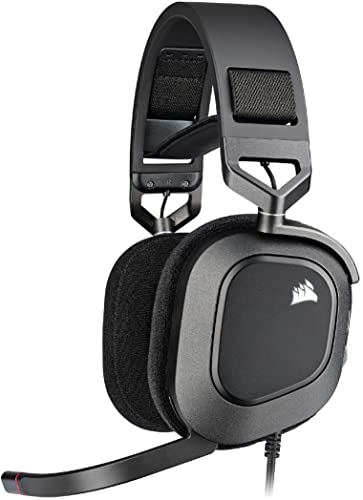 4. Corsair HS80 RGB USB Premium Gaming Headset | Check price on Amazon | |
 5. Logitech G Pro X 2 Lightspeed Wireless Gaming Headset | Check price on Amazon |
Key takeaways
- The best durable gaming headsets use metal frames, detachable cables, and replaceable earcups. Compare five headsets built to outlast daily play here.
As an Amazon Associate we earn from qualifying purchases.
Most gaming headsets do not die because the drivers fail. They die because a plastic yoke cracks, a fixed cable frays where it leaves the earcup, a microphone boom snaps, or the ear cushions peel into flakes that cannot be replaced. The best durable gaming headsets attack those exact failure points: a metal frame instead of an all-plastic band, a cable that unplugs and can be swapped instead of soldered in, a microphone that detaches before it can be bent once too often, and ear cushions that come off so a worn pair can be replaced rather than retiring the whole headset. This guide presents five gaming headsets chosen specifically for that kind of construction, and explains how to judge durability claims by the parts that actually break, rather than by how heavy or aggressive a headset looks in photos.
Affiliate disclosure: This article contains affiliate links. If you buy through a link on this page, we may earn a commission at no additional cost to you.
Where Gaming Headsets Actually Break
Durability is easiest to judge when it is broken down by component, because each part of a headset has its own typical failure mode.
The headband and yokes. The band flexes every time the headset is picked up, stretched over a head, and dropped on a desk. All-plastic bands tend to crack at the yoke or at the point where the earcup fork meets the band. A band built around aluminum or steel carries that flex in metal, which tolerates far more bending cycles before fatigue sets in.
The cable. On wired headsets, the cable is the single most common point of failure, usually fraying at the strain relief near the earcup or the plug. A detachable cable turns that failure into a cheap replacement instead of a dead headset, and it also means the cable can be removed for travel so it is not crushed in a bag.
The microphone. Fixed boom microphones get bent, sat on, and used as a handle. A detachable boom can be removed when it is not needed and replaced if it is damaged, and a retractable boom hides inside the earcup, out of harm’s way, when voice chat is off.
The ear cushions. Foam and leatherette wear out on a schedule of months to a couple of years depending on use, heat, and sweat. Cushions that pull off and can be reordered are a consumable; cushions that are glued on make the whole headset disposable once they start to flake.
The battery, on wireless models. Wireless headsets add one more wear item: the battery slowly loses capacity. Long rated battery life per charge does not extend total lifespan directly, but fewer charge cycles per month of play does slow the wear, which is one reason the high-hour wireless picks below are interesting for longevity as well as convenience.
What to Check Before Buying
Frame material. Look for the listing to name the frame material directly: aluminum frame, steel headband, or metal-reinforced construction. Vague words like premium or rugged without a named material usually mean plastic.
Replaceable parts. Check whether the brand sells or supports replacement ear cushions and cables for the specific model. A headset whose cable, cushions, and microphone all detach is a headset that can be repaired at home with no tools.
Connection type. A wired 3.5mm headset has no battery to age and works on almost everything, which is the simplest long-life formula. Wireless models remove the cable failure point entirely but add battery aging and a USB dongle that must not be lost. Several picks below hedge by offering both wireless and a wired fallback mode.
Weight. Metal construction adds grams, and a heavy headset worn for four hours can become its own problem. The picks below range from roughly 300 to 340 grams, which is the zone where a metal frame and long-session comfort coexist.
Platform fit. A durable headset should outlive a console generation, so cross-platform support matters. Every pick here works with PC, and most also cover PlayStation, Xbox, or Switch through a 3.5mm jack, USB, or a multi-platform wireless dongle, as described on each listing.
How the Picks Were Chosen
Every pick below is a true gaming headset: an over-ear headset with a built-in or detachable gaming microphone, sold for PC and console play. The five were chosen because their listings describe at least two concrete durability features, such as a named metal frame, a detachable cable or microphone, replaceable ear cushions, or a reinforced headband design, rather than for sound tuning alone. Between them they cover the main long-life strategies: a wired aluminum headset with a fully detachable cable, a steel-band wireless headset with replaceable cushions, a reinforced esports wireless model, an aluminum-reinforced wired USB model, and a steel-and-aluminum pro model with swappable earpads in the box. Specifications such as driver size, battery life, weight, and connection types are taken from each product’s Amazon listing as checked for this guide.
The 5 Best Durable Gaming Headsets
1. HyperX Cloud Alpha Gaming Headset
The Cloud Alpha is the classic durability pick in this category, and the reason is its frame. The listing describes a durable aluminum frame with an expanded headband, which puts metal at exactly the point where cheaper headsets crack. It is a wired headset, and both wear-prone attachments detach: the noise-cancelling microphone unplugs when it is not needed, and the braided headset cable detaches from the earcup, so a frayed cable is a replacement part rather than the end of the headset.
The audio hardware is built around HyperX dual chamber drivers, which the listing describes as separating the bass chamber from the mids and highs to reduce distortion, with a stated frequency response extending to 27,000 Hz and an impedance of 65 ohms. The ear cushions use the line’s signature memory foam with a leatherette covering, and the listing gives a weight of about 298 grams, light for a metal-framed model. Compatibility is as broad as wired headsets get: PC, PS4, PS5, Xbox One and Series X|S, Nintendo Switch, and mobile devices through the 3.5mm connection. There is no battery to age, no dongle to lose, and no software required, which makes this the simplest long-life formula in the guide. For a buyer who wants one headset that can be repaired with a spare cable and kept for years of daily play across several platforms, the Cloud Alpha is the most direct answer.
View it on Amazon: https://www.amazon.com/dp/B074NBSF9N
2. SteelSeries Arctis Nova 7 Wireless Gaming Headset
The Arctis Nova 7 takes the opposite route to durability: remove the cable from the equation entirely. The listing describes a wireless multi-platform headset with 2.4GHz wireless and mixable Bluetooth that can run at the same time, so game audio and a phone call or chat app can be heard together. Without a cable there is nothing to fray, and the microphone is a retractable ClearCast Gen 2 boom that slides into the earcup when it is not in use, which keeps the most fragile appendage protected during travel and storage.
The headband design is the other longevity feature. The Arctis line uses a suspended comfort band under a rigid outer frame, and the Nova 7’s listing describes its ComfortMAX system with adjustable fit, paired with AirWeave memory foam ear cushions that can be removed and replaced when they wear. The listing states a battery life of 38 hours per charge over USB-C, with a fast-charge function, and names compatibility with PC, PS5, Switch, VR headsets, and mobile. Neodymium magnetic drivers handle the audio side. The honest trade-offs are the standard wireless ones: the battery will lose capacity over years of charge cycles, and the small USB-C dongle needs to be kept track of. For players who have already killed two wired headsets at the cable, a steel-banded wireless design with replaceable cushions removes the failure they keep repeating.
View it on Amazon: https://www.amazon.com/dp/B0B15QM5LL
3. Razer BlackShark V2 Pro Wireless Gaming Headset (2023 Edition)
The 2023 edition of the BlackShark V2 Pro is Razer’s esports-focused wireless model, and its durability story sits in the headband hardware. The listing and Razer’s published specifications for this edition describe stainless-steel headband sliders, which replace one of the most common plastic crack points on gaming headsets with metal at the adjustment joint, the place that is flexed every single time the fit is changed. The ear cushions are plush memory foam and are replaceable, and the microphone is a detachable HyperClear Super Wideband boom, so it can be removed for travel or single-player sessions instead of being bent out of the way.
Audio comes from Razer’s TriForce Titanium 50mm drivers, with titanium-coated diaphragms that the listing describes as tuned in three parts for highs, mids, and lows, plus pro-tuned FPS audio profiles stored for competitive titles. The listing states a battery life of up to 70 hours, which matters for longevity as well as convenience: a headset charged once a week accumulates charge cycles far more slowly than one charged every other day. Connection options cover Razer HyperSpeed 2.4GHz wireless, Bluetooth, and a wired mode, and the weight is listed at around 320 grams. Note that this 2023 edition is a different product from the original 2020 BlackShark V2 Pro, with a different model number, so the listing’s model details are worth confirming at checkout. For competitive players who adjust their fit constantly and travel to events, metal sliders and a removable mic address the two breaks that end most esports headsets early.
View it on Amazon: https://www.amazon.com/dp/B0BY1FXC9N
4. Corsair HS80 RGB USB Premium Gaming Headset
The HS80 RGB USB is the wired pick for PC players who want metal construction without going wireless. Corsair’s description of the HS80 line emphasizes durable construction reinforced with aluminum, and the listing for this USB model repeats that aluminum material callout, paired with a floating headband design that distributes weight across a suspended strap rather than a hard band pressing on one spot. The earpads are memory foam, and on this line they are replaceable, which keeps the most predictable wear item serviceable.
Because it is a USB headset, there is no battery to age and no wireless dongle, and the listing describes high-fidelity 24-bit/96kHz audio over that wired connection, through custom-tuned 50mm neodymium drivers, with Dolby Audio 7.1 surround sound on PC. The microphone is a broadcast-grade omni-directional design on a flip-up boom; flipping it up mutes it, and keeping it on a hinge rather than a flexible gooseneck reduces the bending fatigue that kills adjustable mic arms. The trade-off is platform range: a USB wired connection is aimed at PC use, so console players should look at the 3.5mm and multi-platform wireless picks in this guide instead. For a desk-bound PC setup where the headset lives on a stand and gets used every day, an aluminum-reinforced wired model with replaceable pads is a set-and-forget purchase.
View it on Amazon: https://www.amazon.com/dp/B09YHQWHKV
5. Logitech G Pro X 2 Lightspeed Wireless Gaming Headset
The Pro X 2 Lightspeed is the pro-tier pick, and its construction is the most explicitly overbuilt in this guide. Logitech’s specifications for the model describe a frame built from aluminum and steel, with rotating earcup hinges designed for repeated adjustment, and the headset ships with two sets of earpads, leatherette and velour, which means the first cushion replacement is already in the box and the cushions are clearly designed to be swapped by the user. The 6mm boom microphone is detachable and uses Blue VO!CE microphone technology for broadcast-style voice filtering on PC.
The drivers are 50mm graphene units, which the listing describes as delivering improved audio response and distortion performance, with DTS Headphone:X 2.0 surround support. Battery life is the headline longevity figure: the listing rates the headset for up to 95 hours per charge over its Lightspeed wireless connection, and it also offers Bluetooth and a 3.5mm auxiliary mode, so it can keep working as a wired headset even years later if the battery eventually fades, and the dongle is not the only way to connect. Weight is listed at about 345 grams, the heaviest here, which is the honest cost of the metal build. For a player who wants a single premium headset to keep through several PCs and consoles, swappable pads, a detachable mic, three connection modes, and a steel-and-aluminum frame make the Pro X 2 the most repair-friendly wireless option in this guide.
View it on Amazon: https://www.amazon.com/dp/B0B3F8V4JG
Side-by-Side Comparison
| Pick | Frame from listing | Connection | Mic | Serviceable parts |
|---|---|---|---|---|
| HyperX Cloud Alpha | Aluminum frame | Wired 3.5mm | Detachable | Cable, microphone, cushions |
| SteelSeries Arctis Nova 7 | Steel band, suspended comfort strap | 2.4GHz wireless and Bluetooth | Retractable | Ear cushions |
| Razer BlackShark V2 Pro (2023) | Stainless-steel headband sliders | 2.4GHz wireless, Bluetooth, wired | Detachable | Ear cushions, microphone |
| Corsair HS80 RGB USB | Aluminum-reinforced construction | Wired USB | Flip-up boom | Earpads |
| Logitech G Pro X 2 Lightspeed | Aluminum and steel frame | Lightspeed wireless, Bluetooth, 3.5mm | Detachable | Two earpad sets included, microphone |
The pattern across the table is the real lesson of this category: no pick relies on a single trick. Each one pairs a metal structure with at least one replaceable wear part, and that combination, not any single material claim, is what separates a five-year headset from a one-year headset.
Habits That Make Any Headset Last Longer
Even a metal-framed headset benefits from basic care. Hang the headset on a stand or hook instead of dropping it on the earcups, which keeps pressure off the yokes and cushions. Coil detachable cables loosely rather than wrapping them tightly around the band, since tight wrapping twists the internal conductors at the plugs. Remove detachable microphones before putting a headset in a bag. Wipe leatherette cushions down after long sessions, because sweat and skin oils are what harden and crack the coating, and keep a spare set of cushions on hand once the originals start to soften. For wireless models, avoid running the battery completely flat before every charge; topping up more often, in shallower cycles, is gentler on the cell over the years.
What to Avoid
Avoid headsets whose listings never name a frame material, because the silence usually means all-plastic construction. Avoid wired headsets with a permanently attached cable if durability is the priority, since the cable is the most likely first failure and cannot be replaced. Avoid glued-on ear cushions for the same reason: they turn a normal wear item into a fatal one. Be skeptical of extreme lightweight claims paired with rugged claims, because very light and very strong rarely arrive in the same product. Finally, avoid buying a discontinued model’s renewed or refurbished listing as a durability strategy; a new headset with replaceable parts is the more reliable route to a long service life, and the current listing’s details should be checked before ordering, since headset lines are revised under familiar names.
Verdict
The best durable gaming headsets are the ones designed to be repaired at the points where headsets actually fail. Choose the HyperX Cloud Alpha for the simplest formula, an aluminum wired headset with a detachable cable and microphone. Choose the SteelSeries Arctis Nova 7 to delete the cable entirely, with a suspended steel band and replaceable cushions. Choose the Razer BlackShark V2 Pro (2023) for stainless-steel sliders and a detachable mic in a long-battery esports design, the Corsair HS80 RGB USB for aluminum-reinforced wired PC play, and the Logitech G Pro X 2 Lightspeed for the fullest package of metal construction, swappable pads, and three connection modes. Any of the five replaces the usual failure points with metal or a spare part, which is what buying a headset once, instead of every year, actually looks like.